New - 10 Hours Ago


$4,200,000
Active
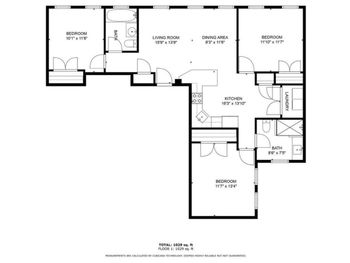
2
Beds
3
Baths
2212
Sqft
--
Acres
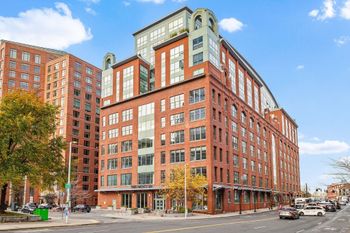
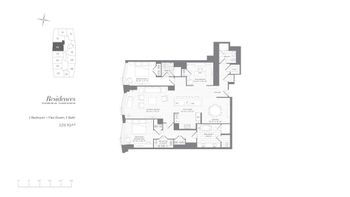
240 Devonshire St #U3802, Boston, MA 02110
MLS#: 73601354



Understanding Boston's Housing Market in 2026: Prices, Inventory, Neighborhood Trends, and Strategies for Making Your Next Move
Boston's real estate market continues to evolve, creating new opportunities and challenges for both homebuyers and sellers. Known for its historic neighborhoods, prestigious universities, thriving healthcare industry, and strong employment market, Boston remains one of the most desirable places to own property in the Northeast.
However, the market in 2026 looks different from the highly competitive conditions of previous years. Buyers are seeing more available properties and greater negotiating opportunities, while sellers are facing increased competition and the need for strategic pricing.
Whether you're planning to purchase your first home, upgrade to a larger property, downsize, or sell an investment property, understanding the latest Boston real estate market trends can help you make informed decisions.
Let's explore what buyers and sellers need to know.
The Boston housing market is showing signs of adjustment. Inventory has increased, listing prices have softened in some segments, and properties are generally taking slightly longer to sell.
According to Realtor.com's October 2026 Boston metro market report:
These figures suggest that buyers have more choices than they did a year ago. However, Boston remains a relatively expensive housing market, and desirable properties can still attract significant interest.
The key takeaway? The market is becoming more balanced, but location, property condition, and pricing continue to influence individual transactions.
Boston home prices vary considerably depending on the neighborhood, property type, size, and proximity to public transportation and employment centers.
While some market reports indicate declining median listing prices, other transaction-based reports show relatively resilient sale prices.
For example, MLS PIN data compiled in an October 2026 Boston market report showed a median sale price of $850,000, with the median sale-to-original-list-price ratio at 98.3%.
This difference highlights an important distinction: listing prices and actual sale prices measure different things.
Several factors continue to shape property values:
For buyers, this environment may create opportunities to negotiate. For sellers, realistic pricing is increasingly important.
Boston is a collection of distinct neighborhoods, each offering a different lifestyle, housing inventory, and price range.
Here are several areas worth considering.
Back Bay remains one of Boston's most prestigious residential neighborhoods. Its historic brownstones, luxury condominiums, shopping destinations, and walkable streets make it attractive to professionals and luxury buyers.
Buyers should expect premium pricing, particularly for renovated properties and homes with desirable architectural features.
South Boston continues to attract young professionals, families, and buyers seeking a vibrant neighborhood lifestyle.
Its restaurants, waterfront access, and proximity to downtown contribute to its popularity. Condominiums, townhouses, and multifamily properties offer a variety of housing options.
Dorchester offers a diverse housing market, with everything from traditional single-family homes to multifamily investment properties.
Buyers looking for more space or potential rental income often include Dorchester in their property searches.
Jamaica Plain is popular with buyers who appreciate green spaces, community-oriented living, and convenient access to the city.
Its proximity to the Emerald Necklace and Arnold Arboretum makes it especially appealing to people who enjoy outdoor recreation.
East Boston has attracted attention for its waterfront setting, transportation connections, and relatively diverse range of housing options.
Its access to downtown and Logan International Airport makes it worth exploring for commuters and professionals.
Buyer tip: Compare recent sold properties within the same neighborhood rather than relying exclusively on citywide averages. Boston's housing market can vary dramatically from one neighborhood to another.
Increased inventory and slightly longer selling timelines may give buyers more flexibility in 2026.
However, purchasing property in Boston still requires careful planning.
Before scheduling multiple property tours, speak with a mortgage professional and understand your borrowing capacity.
Consider:
A mortgage preapproval can also strengthen your position when submitting an offer.
With Boston metro inventory rising approximately 24.9% year over year, buyers may have more opportunities to compare properties.
Rather than rushing into the first available home, evaluate multiple options and compare their prices, conditions, and locations.
Today's market may provide opportunities to negotiate:
Not every seller will be willing to negotiate, particularly when a property is well-priced and attracts multiple offers. Nevertheless, buyers should understand their options.
Boston has a substantial inventory of older homes, including historic properties.
Before purchasing, pay close attention to:
A professional inspection can help identify issues before closing.
Selling a home in Boston can still be rewarding, but sellers need to recognize that buyers have more options.
A property that is overpriced or poorly presented may struggle to compete with similar listings.
Pricing is one of the most important decisions you'll make when selling.
An inflated asking price can discourage prospective buyers and lead to extended time on the market.
Work with a local real estate professional to evaluate:
Your asking price should reflect current market conditions rather than what a neighboring property sold for several years ago.
First impressions matter.
Before listing, consider improvements that can make your property more appealing:
You don't necessarily need an expensive renovation. Often, smaller improvements can make a meaningful difference.
Effective marketing can help your property reach qualified buyers.
A comprehensive listing strategy should include:
The objective is to communicate your property's value and generate genuine buyer interest.
Mortgage rates remain an important consideration for Boston buyers.
Even relatively small changes in interest rates can influence monthly payments and purchasing power.
For example, a buyer financing a $600,000 mortgage over 30 years would have approximately the following principal and interest payments:
| Interest rate | Monthly payment |
|---|---|
| 5.5% | $3,407 |
| 6.0% | $3,597 |
| 6.5% | $3,792 |
| 7.0% | $3,992 |
These estimates exclude property taxes, homeowners insurance, mortgage insurance, and other ownership expenses.
Buyers should compare mortgage offers from multiple lenders and evaluate the total cost of financing rather than focusing exclusively on the advertised interest rate.
Sellers should also understand that financing affordability influences the pool of potential buyers for their properties.
The answer depends on your financial situation, timeline, and property goals.
The current environment may be attractive because:
However, waiting for prices or mortgage rates to reach a particular level can be difficult. Focus on affordability and long-term suitability rather than trying to predict the exact bottom of the market.
Selling can still make sense if:
The best selling strategy is one that reflects current neighborhood-level demand.
Regardless of market conditions, certain mistakes can make real estate transactions more expensive or stressful.
Mistakes buyers should avoid:
Mistakes sellers should avoid:
Working with experienced local professionals can help minimize these risks.
Looking ahead, several factors will likely influence Boston's housing market:
Although no one can predict the market with certainty, Boston's established economic base, educational institutions, and desirable neighborhoods provide important foundations for its residential real estate market.
Buyers and sellers should monitor local market data rather than relying on broad national housing predictions.
The Boston real estate market in 2026 presents a changing landscape for both buyers and sellers.
Buyers may benefit from increased inventory, more time to evaluate properties, and improved negotiating opportunities. Sellers can still achieve successful outcomes by pricing strategically, preparing their homes, and implementing effective marketing plans.
The most important factor is understanding that every neighborhood and property is different.
Whether you're interested in a Back Bay condominium, a South Boston townhouse, a Dorchester multifamily property, or a Jamaica Plain single-family home, local market knowledge can make a significant difference.
Thinking about buying or selling a home in Boston?
Connect with a knowledgeable Boston real estate professional to discuss your goals, explore available properties, evaluate your home's market value, and develop a strategy that works for you.
Your next real estate opportunity could be closer than you think.