New - 10 Hours Ago
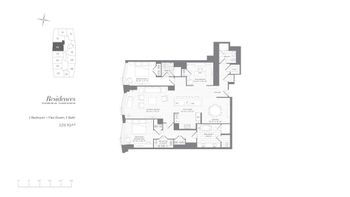


$4,200,000
Active
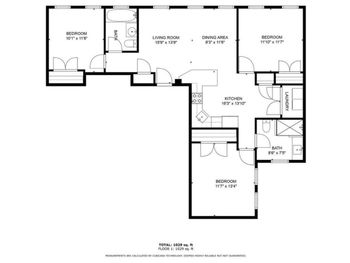
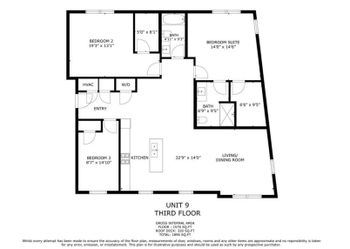
2
Beds
3
Baths
2212
Sqft
--
Acres
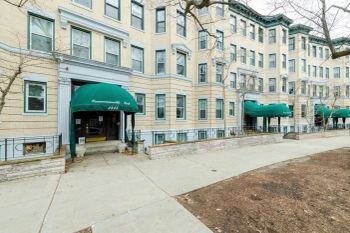
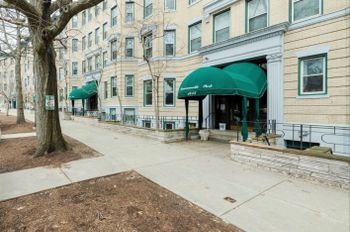
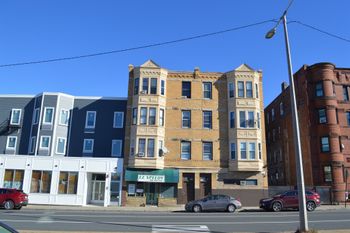
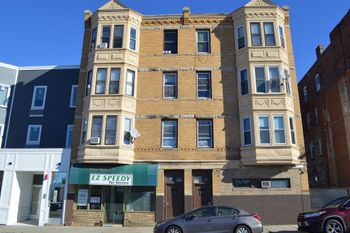
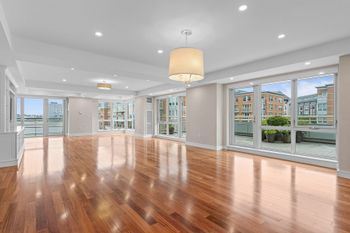
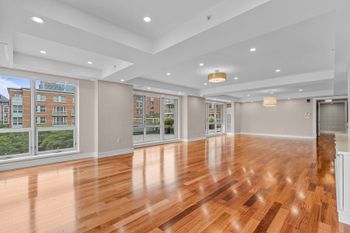
240 Devonshire St #U3802, Boston, MA 02110
MLS#: 73601354



Choosing the right home is one of the most important decisions a family can make. It's not just about finding a property with enough bedrooms or a spacious backyard; it's about discovering a neighborhood where your family can feel comfortable, children can grow, and everyone can enjoy a fulfilling lifestyle.
If you're considering moving to Boston, Massachusetts, you'll find a wide variety of residential communities offering different housing styles, educational opportunities, parks, recreational facilities, and convenient access to everyday amenities.
Boston is known for its rich history, cultural attractions, educational institutions, and diverse neighborhoods. From the charming residential streets of West Roxbury to the green spaces of Jamaica Plain and the historic character of Charlestown, families have several communities to consider when searching for their next home.
However, choosing the right neighborhood requires more than looking at property listings. Factors such as school assignments, commuting distance, housing affordability, outdoor recreation, local services, and long-term housing needs should all play a role in your decision.
In this guide, we'll explore some of the best Boston neighborhoods for families, what makes each area unique, the types of homes available, and what you should consider before making your move.
Boston offers a combination of urban convenience, historic charm, educational opportunities, and residential communities that appeal to different types of households.
Unlike cities where residential areas have a similar atmosphere throughout, Boston features neighborhoods with distinct personalities. Some offer a quieter suburban-style environment, while others provide a more active city lifestyle with restaurants, shopping, and public transportation nearby.
Here are some reasons families consider Boston when searching for a place to settle down.
Education is an important consideration for families purchasing a home. Boston offers public schools, charter schools, private schools, and numerous educational programs.
The city is also home to several renowned colleges and universities, contributing to its strong academic environment.
When selecting a neighborhood, families should research the schools serving the specific property address, enrollment requirements, available programs, and transportation arrangements.
Having access to outdoor spaces can make a significant difference in family life.
Boston offers numerous parks, playgrounds, walking paths, and recreational areas where families can enjoy weekends, outdoor activities, and community events.
From the Emerald Necklace park system to neighborhood playgrounds and waterfront spaces, there are many opportunities to spend time outdoors.
Boston has an established public transportation network operated by the Massachusetts Bay Transportation Authority (MBTA).
Subway lines, buses, and commuter rail services connect different neighborhoods and surrounding communities. This can make commuting easier for families who work or study in different parts of the metropolitan area.
Boston's residential real estate market includes single-family houses, condominiums, townhouses, multi-family properties, and historic residences.
This variety allows families to explore different property types based on their household size, lifestyle, and purchasing budget.
Many Boston neighborhoods have their own local businesses, community organizations, parks, restaurants, and seasonal events.
These neighborhood features can help families establish connections, participate in local activities, and enjoy a stronger sense of community.
Finding the right neighborhood depends on your family's priorities. Some families prefer spacious homes and quieter surroundings, while others value walkability, convenient transportation, and access to city amenities.
Here are seven Boston neighborhoods worth exploring when searching for a family home.
West Roxbury is an appealing option for families who want a quieter residential environment while remaining within Boston.
Known for its tree-lined streets, established residential communities, and neighborhood shopping areas, West Roxbury offers an atmosphere that feels different from the busier central parts of the city.
Why families consider West Roxbury:
Families can explore outdoor destinations such as Millennium Park, which offers walking paths, open spaces, and recreational opportunities.
West Roxbury may be particularly appealing to households looking for more traditional residential properties and a neighborhood environment where outdoor activities are part of everyday life.
Homes to explore: Single-family homes, colonial-style properties, multi-family residences, and condominiums.
Roslindale is another Boston neighborhood worth considering for families looking for a residential community with local character.
Often recognized for its village-style center, Roslindale offers neighborhood restaurants, independent shops, community activities, and access to parks.
One of its notable attractions is the Arnold Arboretum, a beautiful botanical landscape that provides opportunities for walking, nature exploration, and outdoor recreation.
Why families consider Roslindale:
Roslindale offers a combination of historic homes, multi-family properties, condominiums, and single-family residences.
Families who enjoy outdoor activities and prefer a neighborhood with a distinct local identity may find Roslindale worth exploring.
Homes to explore: Victorian-style homes, single-family houses, condominiums, and multi-family properties.
Jamaica Plain, commonly known as JP, is one of Boston's distinctive neighborhoods, offering a combination of residential living, cultural diversity, and access to green spaces.
The neighborhood is particularly attractive to families who enjoy outdoor recreation and want access to parks, walking paths, and community activities.
Jamaica Pond and the Arnold Arboretum are among the area's popular outdoor destinations. Families can enjoy walking, cycling, jogging, and spending time in nature.
Why families consider Jamaica Plain:
Jamaica Plain offers a mixture of historic Victorian homes, condominiums, multi-family properties, and renovated residences.
It may be a good option for families who want a neighborhood that balances city convenience with opportunities to enjoy the outdoors.
Homes to explore: Victorian homes, condominiums, multi-family houses, and renovated residential properties.
Charlestown offers a distinctive residential atmosphere with historic architecture, waterfront surroundings, and convenient access to downtown Boston.
The neighborhood has a unique combination of historic streets, modern residential developments, local restaurants, and community amenities.
Families can enjoy nearby outdoor destinations such as the Boston Harborwalk and the Charlestown Navy Yard.
Why families consider Charlestown:
Charlestown offers different housing opportunities, including traditional townhouses, condominiums, multi-family properties, and newer residential developments.
Families who appreciate historic architecture and want to remain close to downtown may find Charlestown an attractive place to explore.
Homes to explore: Historic townhouses, renovated homes, modern condominiums, and multi-family properties.
Dorchester is one of Boston's largest neighborhoods and offers a diverse range of residential communities.
Its different sections have their own characteristics, housing styles, and local amenities, making it important to explore individual areas rather than treating the entire neighborhood as one uniform community.
Families can find parks, shopping areas, restaurants, schools, and public transportation options throughout Dorchester.
Why families consider Dorchester:
Dorchester offers opportunities to explore single-family homes, multi-family residences, condominiums, and renovated properties.
For families comparing housing options, the neighborhood may provide a broader selection of property types and locations.
Homes to explore: Single-family homes, two-family and three-family properties, condominiums, and renovated residences.
Hyde Park is located in the southern part of Boston and offers a more residential atmosphere than many central neighborhoods.
It features established residential streets, local businesses, parks, and community facilities.
Families who prefer a quieter environment and are looking for different types of residential properties may want to include Hyde Park in their home search.
Why families consider Hyde Park:
The neighborhood offers a mixture of traditional homes, condominiums, and multi-family residences.
Hyde Park may be worth considering for families who want to compare housing options outside Boston's more expensive central neighborhoods.
Homes to explore: Single-family houses, colonial-style residences, multi-family properties, and condominiums.
East Boston is known for its waterfront setting, diverse community, and convenient connections to downtown Boston.
The neighborhood offers beautiful views of the Boston skyline, waterfront recreational spaces, local restaurants, and residential communities.
Piers Park and Constitution Beach are popular destinations for outdoor activities and enjoying the waterfront.
Why families consider East Boston:
East Boston offers a range of housing options, including condominiums, multi-family residences, and newer residential developments.
Families interested in waterfront surroundings and convenient access to the city may find East Boston worth exploring.
Homes to explore: Modern condominiums, multi-family properties, renovated homes, and newer residential developments.
When searching for the perfect family home, it's also worth looking beyond Boston's city boundaries.
Several nearby towns and cities offer residential environments that may appeal to families who want different housing options, additional outdoor space, or access to suburban communities.
Remember that these are separate municipalities, not Boston neighborhoods.
Brookline is a popular residential community located next to Boston.
It offers tree-lined streets, parks, local shopping areas, and access to public transportation.
Families often explore Brookline for its educational opportunities, established residential neighborhoods, and convenient connections to Boston.
Housing options include single-family homes, historic residences, townhouses, and condominiums.
Newton is another community worth considering for families who prefer suburban living.
It consists of several villages, each offering a distinct neighborhood atmosphere, local businesses, parks, and residential properties.
Newton offers a variety of housing styles, including spacious single-family homes, colonial residences, townhouses, and condominiums.
Its residential character and educational resources make it an important location to consider when comparing Greater Boston communities.
Arlington offers a residential atmosphere with neighborhood shopping areas, parks, and access to public transportation.
Families can explore different housing styles, including single-family homes, condominiums, and multi-family properties.
Its location provides access to Boston and other nearby employment and educational centers.
Watertown offers a combination of residential communities, local amenities, parks, and access to the Charles River.
Families can explore a variety of housing options while enjoying a location that provides connections to Boston, Cambridge, and surrounding communities.
Helpful tip: If you're open to living outside Boston, compare the total cost of homeownership, property taxes, school districts, commuting times, and available amenities across nearby communities.
With so many neighborhoods to explore, deciding where to buy a home can feel overwhelming.
The best approach is to identify your family's priorities before starting your property search.
Here are some important factors to consider.
For families with children, schools are often one of the first things to research.
Before choosing a property, look into the schools assigned to its specific address, available educational programs, enrollment policies, and transportation arrangements.
Boston Public Schools provides information about schools, enrollment, and assignment policies.
You should also consider private schools, charter schools, early education facilities, and after-school programs if they are relevant to your household.
Remember that living near a particular school does not necessarily guarantee admission or assignment.
Outdoor recreation is important for children and adults alike.
Consider whether your preferred neighborhood offers playgrounds, walking paths, sports facilities, community centers, and open spaces.
Easy access to these amenities can make everyday family activities more convenient.
Your daily commute can significantly influence your family's lifestyle.
If you work downtown, consider neighborhoods with convenient subway, bus, or commuter rail connections.
If you drive regularly, research parking availability, traffic conditions, and access to major roads.
It is also helpful to test your preferred commute during typical weekday travel hours.
Growing families may need additional bedrooms, storage, outdoor space, or a flexible room that can serve as a home office.
Consider your current needs as well as how your requirements may change over the next few years.
A condominium may offer convenient maintenance and building amenities, while a single-family home may provide more privacy and outdoor space.
Before choosing a neighborhood, explore the amenities that make everyday living easier.
These may include:
A neighborhood with convenient access to these services can help simplify your family's daily routine.
Boston's housing market includes a wide variety of property types, but availability and affordability can differ significantly between neighborhoods.
Families should understand the differences between the available housing options before making a purchasing decision.
Single-family homes are popular among families who want private living spaces and additional flexibility.
Depending on the property, these homes may offer multiple bedrooms, private yards, garages, basements, and outdoor entertaining areas.
However, buyers should account for maintenance expenses, property taxes, insurance, and potential renovation costs.
Condominiums can be a practical option for families who prefer city living or want access to shared building amenities.
Some condominium communities offer elevators, secure entrances, fitness facilities, common areas, and parking.
Before purchasing, review monthly association fees, building maintenance records, financial reserves, insurance coverage, and condominium rules.
Multi-family properties are another housing option in Boston.
Some buyers choose to live in one unit while renting out another, potentially helping offset certain homeownership expenses.
However, buyers should understand local rental regulations, property maintenance requirements, insurance considerations, and financing arrangements.
Townhouses and newer residential developments may offer a combination of modern layouts, multiple bedrooms, shared amenities, and convenient locations.
These properties can be worth considering for families seeking updated interiors and lower-maintenance living arrangements.
Understanding your budget is essential when purchasing a family home.
Boston's housing costs can vary considerably depending on the neighborhood, property size, age, condition, and available amenities.
Instead of focusing only on the listing price, families should calculate the overall cost of owning a property.
Important expenses include:
Down Payment: Determine how much you can contribute toward purchasing the home and explore available mortgage options.
Monthly Mortgage Payment: Consider the principal, interest, and other applicable mortgage expenses.
Property Taxes: Review the latest municipal property tax rates and the property's assessed value.
Homeowners Insurance: Obtain insurance estimates based on the property's location, age, condition, and coverage requirements.
Condominium Fees: If purchasing a condo, include monthly association fees and potential special assessments.
Maintenance and Repairs: Set aside money for routine maintenance and unexpected repairs.
Utilities: Budget for heating, electricity, water, internet, and other household expenses.
Working with a mortgage professional can help you determine a comfortable purchasing budget before beginning your home search.
Boston offers a range of educational opportunities for families, from early childhood programs to higher education institutions.
Boston Public Schools serves students throughout the city, while charter schools, private schools, and independent educational institutions provide additional choices.
When researching schools, consider more than general ratings.
Look into:
Families should verify current school assignments directly with Boston Public Schools or the relevant school before making a property purchase.
This is particularly important because school boundaries, enrollment policies, and program availability may change.
Boston's transportation network can make certain neighborhoods particularly convenient for families.
The MBTA operates subway, bus, and commuter rail services throughout the city and surrounding areas.
Depending on where you live, public transportation may reduce the need for daily driving.
When evaluating a neighborhood, consider:
Subway Access: Check the distance to the nearest subway station and whether it connects conveniently to your workplace or frequently visited destinations.
Bus Services: Research available bus routes, schedules, and connections.
Commuter Rail: Families living in neighborhoods such as West Roxbury and Roslindale may want to explore commuter rail options.
Parking: If your household owns a vehicle, check whether the property includes private parking or whether residential parking permits are available.
Walkability: Consider how easily you can reach grocery stores, schools, playgrounds, and other everyday services on foot.
One of the benefits of living in Boston is the range of activities available for families.
The city offers historical attractions, museums, parks, waterfront destinations, and recreational facilities.
Here are some places families may enjoy exploring.
The Boston Public Garden offers landscaped walking paths, beautiful gardens, and open spaces.
It is a popular destination for families who enjoy spending time outdoors and exploring the city's historic surroundings.
Located in Jamaica Plain, the Arnold Arboretum offers extensive botanical collections, walking trails, and opportunities to learn about plants and nature.
It can be a wonderful destination for families who enjoy outdoor exploration.
Franklin Park is one of Boston's largest public parks and offers recreational spaces, walking trails, playgrounds, and opportunities for outdoor activities.
The Museum of Science provides educational and interactive exhibits that can make science and technology interesting for children and adults.
Located along Boston's waterfront, the New England Aquarium offers opportunities for families to explore marine life and learn about ocean environments.
Boston Children's Museum features interactive learning experiences and exhibits designed to encourage creativity, exploration, and play.
Having access to attractions like these can make Boston an exciting place for families to explore together.
Before making an offer, take time to evaluate the property beyond its appearance.
A beautiful home may still require repairs or improvements, so understanding its overall condition is essential.
Here are some important considerations.
Property Condition: Review the roof, foundation, plumbing, electrical systems, heating equipment, and overall structural condition.
Outdoor Space: If you have children or pets, consider whether the property offers a yard, balcony, nearby playground, or accessible recreational space.
Storage: Evaluate closets, basements, garages, and other storage areas.
Noise Levels: Visit the property at different times to understand nearby traffic, construction, commercial activity, and general neighborhood noise.
Parking: Confirm whether parking is included and understand any applicable residential parking arrangements.
Condominium Documents: If purchasing a condo, review association rules, budgets, reserve funds, maintenance records, and upcoming assessments.
Future Maintenance: Older Boston properties may require additional maintenance. Ask about renovations, heating systems, insulation, windows, and any known building issues.
Taking these steps can help you avoid unexpected expenses and make a more informed decision.
A successful home search begins with understanding what your family needs.
Here are some practical tips to make the process easier.
Being prepared can make the homebuying experience more organized and help you focus on properties that genuinely match your requirements.
Some families may find that living in Boston is the right choice, while others may prefer a nearby suburban community.
Both options offer different advantages.
Living within Boston can provide convenient access to city amenities, public transportation, restaurants, cultural attractions, and employment centers.
Nearby communities such as Brookline, Newton, Arlington, and Watertown may offer different residential environments, housing options, and commuting arrangements.
When comparing these locations, consider:
There is no single neighborhood that is perfect for every family. The right choice depends on your priorities, budget, and preferred lifestyle.
Finding the perfect family home in Boston is about more than choosing a property with the right number of bedrooms. It's about discovering a neighborhood that supports your family's lifestyle, educational needs, daily routines, and future plans.
From the residential charm of West Roxbury and Roslindale to the outdoor appeal of Jamaica Plain and the historic character of Charlestown, Boston offers several communities worth exploring.
Families interested in a wider range of residential options can also consider nearby communities such as Brookline, Newton, Arlington, and Watertown.
Before making your decision, take time to research neighborhoods, compare available properties, understand school assignments, and evaluate your overall homeownership budget.
Whether you're searching for a spacious single-family home, a modern condominium, or a property in a welcoming residential community, the right home is waiting to be discovered.
Ready to find your family's next home? Explore homes for sale in Boston, MA, discover neighborhoods that match your lifestyle, and connect with a local real estate professional to start your homebuying journey. Your family's next chapter begins with finding the perfect place to call home!