New - 10 Hours Ago
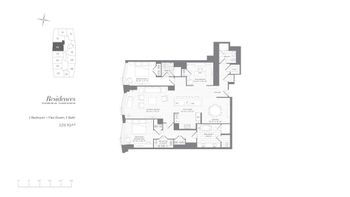


$4,200,000
Active
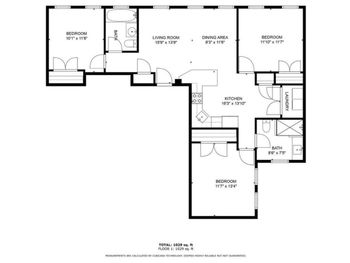
2
Beds
3
Baths
2212
Sqft
--
Acres
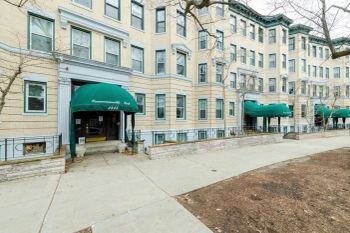
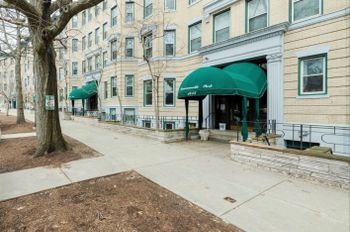
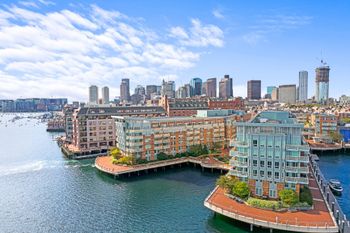
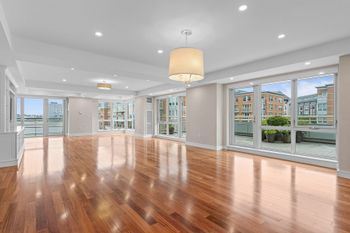
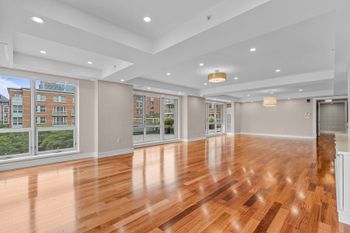
240 Devonshire St #U3802, Boston, MA 02110
MLS#: 73601354



Are you considering moving to Boston, Massachusetts? Whether you're relocating for a new career opportunity, searching for a family-friendly community, pursuing higher education, or simply looking for a fresh start, Boston offers an exciting mix of history, culture, modern living, and real estate opportunities.
As one of the most recognizable cities in New England, Boston is known for its historic neighborhoods, world-class universities, thriving employment market, beautiful waterfront, and vibrant cultural scene. From charming brownstones and historic townhouses to modern condominiums and spacious single-family homes, the city offers a variety of housing options for different lifestyles.
However, moving to Boston involves more than finding the right property. Understanding the local housing market, neighborhood characteristics, cost of living, transportation system, educational opportunities, and everyday lifestyle can help you make a confident decision.
If you're planning to relocate, this guide covers everything you need to know before making Boston your new home.
Boston offers a distinctive lifestyle that combines historic charm with modern city conveniences. It is a major center for education, healthcare, technology, finance, biotechnology, and professional services.
One of the biggest advantages of living in Boston is the accessibility of everyday amenities. Many neighborhoods offer restaurants, grocery stores, parks, shopping areas, healthcare facilities, and public transportation within a relatively short distance.
Here are some reasons people consider making Boston their home:
Career Opportunities: Boston has a diverse employment landscape, with opportunities in healthcare, education, technology, finance, research, and biotechnology.
Educational Opportunities: The city and surrounding communities are home to internationally recognized universities, colleges, and educational institutions.
Cultural Attractions: Residents can enjoy museums, historic landmarks, performing arts, sports events, restaurants, and community festivals.
Public Transportation: The MBTA subway, bus, commuter rail, and other transit services provide transportation options throughout Boston and surrounding communities.
Historic Character: Boston features distinctive architecture, historic streets, waterfront destinations, and neighborhoods with their own identities.
Outdoor Activities: Residents can enjoy public parks, walking trails, waterfront spaces, recreational facilities, and nearby coastal destinations.
Whether you prefer an active city lifestyle or a quieter residential environment, Boston offers different communities to explore.
Choosing the right neighborhood is one of the most important decisions when moving to Boston. Each area has its own atmosphere, housing styles, amenities, and transportation options.
Your ideal neighborhood will depend on your budget, commuting requirements, household needs, and preferred lifestyle.
Here are some popular Boston neighborhoods worth considering.
Back Bay is one of Boston's most recognizable and architecturally distinctive neighborhoods. It is known for its beautiful brownstone buildings, historic streets, upscale shopping, restaurants, and convenient access to downtown.
The neighborhood offers a combination of historic condominiums, luxury apartments, and elegant residential properties.
Back Bay may appeal to professionals, couples, and buyers who enjoy walkable city living and proximity to shopping, dining, and cultural attractions.
Beacon Hill is famous for its historic architecture, brick sidewalks, gas-lit streets, and charming residential atmosphere.
The neighborhood features historic townhouses, classic brownstones, and distinctive condominium properties.
Its central location provides convenient access to Boston Common, the Massachusetts State House, restaurants, and downtown destinations.
Beacon Hill is particularly attractive to buyers who appreciate historic character and an established urban neighborhood.
The South End offers a vibrant residential atmosphere with beautiful Victorian architecture, tree-lined streets, restaurants, art galleries, and local businesses.
Housing options include historic brownstones, condominiums, and renovated residential properties.
The neighborhood attracts a diverse mix of residents, including professionals, couples, and families who enjoy a walkable community with plenty of local amenities.
Jamaica Plain, often called JP, offers a distinctive combination of city convenience and green spaces.
The neighborhood is known for its parks, community atmosphere, local restaurants, and access to outdoor recreation.
Residents can enjoy nearby attractions such as the Arnold Arboretum and Jamaica Pond.
Housing options include single-family homes, condominiums, multi-family properties, and historic residences.
Jamaica Plain may be worth exploring if you prefer a neighborhood with access to nature while remaining connected to the city.
Dorchester is one of Boston's largest neighborhoods and offers a diverse range of residential communities.
It features single-family homes, multi-family properties, condominiums, and historic residences.
The neighborhood also offers access to parks, local restaurants, shopping areas, and public transportation.
For buyers comparing different property types and neighborhood settings, Dorchester provides several areas worth exploring.
Roslindale offers a more residential atmosphere with neighborhood businesses, parks, community activities, and a village-style center.
The area includes single-family homes, condominiums, and multi-family residences.
Roslindale may appeal to buyers seeking a quieter neighborhood environment while maintaining access to Boston through public transportation and road connections.
West Roxbury is known for its residential character, suburban atmosphere, parks, and neighborhood shopping areas.
The housing market includes single-family homes, condominiums, and multi-family properties.
It can be an attractive option for people who prefer more traditional residential surroundings while remaining within Boston's city limits.
Homebuying tip: Before choosing a neighborhood, visit the area at different times of the day. Explore nearby grocery stores, parks, restaurants, transportation stops, and commuting routes to understand what everyday life would look like.
Boston is a desirable city, but the cost of living is an important consideration before relocating.
Housing is typically one of the largest expenses, and prices can vary significantly between neighborhoods and property types.
In addition to your mortgage or rent, you should account for several other household expenses.
The cost of purchasing or renting a home depends on the neighborhood, property size, condition, amenities, and local market conditions.
For example, historic neighborhoods such as Back Bay and Beacon Hill often have different housing price points from neighborhoods such as Dorchester, Roslindale, and West Roxbury.
When comparing properties, consider the total cost of ownership rather than just the listing price.
If you're purchasing a home, property taxes should be included in your budget.
Boston has its own municipal property tax rates, which may differ from surrounding Massachusetts communities.
The annual tax bill depends on the property's assessed value and applicable tax classification. Check the latest information from the City of Boston before making a purchase.
Boston experiences cold winters, making heating and insulation important considerations.
Budget for electricity, heating, water, internet, and other household services.
If you're purchasing an older property, also consider potential maintenance expenses involving roofing, windows, plumbing, heating systems, and other structural components.
Although public transportation is available, your transportation costs will depend on where you live and work.
Consider MBTA fares, parking, vehicle expenses, insurance, and commuting requirements when planning your monthly budget.
Boston offers everything from neighborhood grocery stores and local markets to restaurants and specialty shops.
Your monthly expenses will depend on your lifestyle, household size, and shopping preferences.
Tip: Before relocating, create a monthly budget that includes housing, utilities, transportation, insurance, groceries, and savings. This will help you determine which Boston neighborhoods are financially comfortable for you.
Boston offers a diverse housing market with properties ranging from historic residences to modern developments.
Whether you're a first-time homebuyer, an established homeowner looking to upgrade, or someone interested in real estate investment, understanding the available property types can help narrow your search.
Single-family homes are suitable for buyers seeking private living spaces, multiple bedrooms, and potentially outdoor areas.
They are available in several Boston neighborhoods, although availability, property sizes, and prices vary.
Condominiums are popular in Boston, particularly among buyers who prefer city living and convenient access to amenities.
Many condominium buildings offer features such as shared facilities, security, elevators, and professionally managed common areas.
Before purchasing, review the homeowners association fees, building financial documents, reserve funds, insurance coverage, and association rules.
Boston also has a substantial supply of multi-family properties.
These homes may appeal to buyers interested in occupying one unit while renting another, subject to applicable financing, rental regulations, and property requirements.
Boston's historic architecture is one of its most appealing characteristics.
Historic homes and brownstones offer distinctive architectural details, traditional layouts, and unique neighborhood character.
However, buyers should carefully evaluate the property's condition, renovation history, maintenance requirements, and any applicable historic preservation restrictions.
Newer residential developments offer contemporary layouts, modern amenities, and updated building systems.
Depending on the location, buyers may find modern condominiums with fitness facilities, shared outdoor spaces, parking, and other conveniences.
Buying a home in Boston can be an exciting experience, but preparation is essential, especially if you're unfamiliar with the local real estate market.
Here are some important steps to follow.
Step 1: Establish Your Budget
Determine how much you can comfortably afford. Consider your income, savings, down payment, monthly mortgage payments, property taxes, insurance, and maintenance expenses.
Step 2: Obtain Mortgage Pre-Approval
Contact a mortgage lender to understand your financing options and obtain a pre-approval.
This can help you establish a realistic purchasing budget and demonstrate your financial readiness when making an offer.
Step 3: Select Your Preferred Neighborhood
Research neighborhoods based on your lifestyle, commuting requirements, housing preferences, and budget.
Compare available properties in different areas rather than limiting your search to one neighborhood.
Step 4: Browse Available Listings
Explore current homes for sale in Boston and compare their prices, property features, photographs, locations, and listing details.
Pay attention to recently sold properties as well, since they can provide useful context about local market conditions.
Step 5: Schedule Property Tours
Viewing a property in person gives you an opportunity to evaluate its layout, condition, natural lighting, storage, building amenities, and surrounding environment.
Step 6: Conduct Due Diligence
Review property disclosures, inspection findings, title information, condominium documents where applicable, and other relevant records.
Consider professional inspections and consult your real estate attorney about contractual requirements and your rights as a buyer.
Step 7: Complete the Closing Process
Once your offer is accepted, coordinate with your lender, real estate professional, attorney, and other relevant parties to complete the required paperwork and closing arrangements.
Working with experienced local professionals can make the process easier to navigate.
For families relocating with children, access to education may be an important factor when choosing a neighborhood.
Boston offers a range of educational options, including public schools, charter schools, private schools, and higher education institutions.
Boston Public Schools serves students across the city, while independent and private educational institutions provide additional options.
When evaluating a neighborhood, consider:
School assignments and enrollment policies can change, so verify current information directly with the relevant school or district.
Boston is also home to several well-known higher education institutions, including Boston University, Northeastern University, and the University of Massachusetts Boston.
These institutions contribute to the city's academic environment and create opportunities for students, researchers, and professionals.
Transportation is an important part of everyday life in Boston.
The city offers several public transportation options, making it possible for many residents to commute without relying entirely on a personal vehicle.
The Massachusetts Bay Transportation Authority operates Boston's subway network, commonly known as the T.
Its major lines include the Red, Orange, Blue, and Green Lines.
These services connect different neighborhoods and provide access to major destinations throughout the metropolitan area.
MBTA buses serve neighborhoods and communities that may not have direct subway access.
Depending on your location, bus services can be useful for commuting, shopping, and everyday travel.
The commuter rail connects Boston with surrounding communities and other parts of Massachusetts.
It can be a convenient option for people who work in Boston but prefer to live outside the city.
Driving is another transportation option, although traffic and parking availability can be challenging in some areas.
Before purchasing a home, check whether the property includes a dedicated parking space, garage, or access to nearby parking facilities.
Many Boston neighborhoods are walkable, with access to shops, restaurants, parks, and public transportation.
Cycling is also an option in many parts of the city, although routes and infrastructure vary by neighborhood.
Tip: If you plan to commute regularly, research the actual travel time from your preferred neighborhood to your workplace during peak hours before purchasing a home.
One of the most exciting aspects of moving to Boston is discovering everything the city has to offer.
From historic destinations to modern entertainment and outdoor recreation, residents have access to a wide variety of activities.
Boston played an important role in American history.
Residents and visitors can explore destinations such as the Freedom Trail, Boston Common, Faneuil Hall, and the Boston Public Garden.
These attractions offer opportunities to learn about the city's history while enjoying its distinctive architecture and public spaces.
Boston offers several green spaces where residents can relax, exercise, and spend time outdoors.
Popular destinations include:
These spaces offer opportunities for walking, jogging, cycling, picnicking, and enjoying the outdoors.
Boston's food scene includes a wide range of restaurants, cafes, bakeries, and local dining establishments.
From seafood restaurants and international cuisine to neighborhood cafes, residents can discover different dining experiences throughout the city.
Shopping destinations include Newbury Street, Copley Place, Prudential Center, and local neighborhood shopping districts.
Boston has a strong sports culture, with professional teams and sporting events throughout the year.
Residents can also enjoy concerts, museums, theaters, music venues, and seasonal community events.
Boston experiences four distinct seasons, and understanding the weather can help you prepare for your move.
Spring brings gradually warmer temperatures, blooming flowers, and opportunities to enjoy outdoor spaces.
However, temperatures can fluctuate, and rain is common during parts of the season.
Summers are generally warm and can be humid.
Residents enjoy outdoor dining, waterfront activities, parks, beaches, and local events.
Fall is one of the most beautiful seasons in Boston.
The city and surrounding communities feature colorful foliage, comfortable temperatures, and seasonal activities.
Winters can be cold, with snow, ice, and freezing temperatures.
Homeowners should prepare for heating expenses, snow removal, and seasonal maintenance.
Before purchasing a property, pay attention to:
These considerations are particularly important when evaluating older homes and properties with extensive outdoor areas.
The right neighborhood can have a significant impact on your overall living experience.
Before making a final decision, evaluate the following factors.
Your Daily Commute: Consider how long it takes to travel to work, school, or other frequently visited locations.
Property Affordability: Compare purchase prices, property taxes, condominium fees, insurance, and ongoing maintenance expenses.
Lifestyle Preferences: Decide whether you prefer an active urban environment, a residential neighborhood, or a location with convenient access to parks and outdoor spaces.
Local Amenities: Explore nearby grocery stores, restaurants, healthcare facilities, shopping areas, and recreational destinations.
Property Condition: Review the age of the property, renovation history, heating system, roof, plumbing, and other important features.
Future Plans: Think about your long-term housing needs, including family size, employment changes, and potential resale considerations.
Taking the time to compare these factors can help you identify a neighborhood and property that support your future goals.
Once you've chosen your new home, organizing the actual relocation is the next important step.
A moving checklist can help you manage the transition without overlooking important details.
Before your move, consider completing the following tasks:
If you're moving from another state, allow sufficient time to arrange utilities, transportation, insurance, and any required administrative updates.
Boston offers many advantages, but it is important to consider whether the city's lifestyle and housing costs align with your expectations.
Boston may be a good fit if you:
However, you should also consider the higher housing costs in many neighborhoods, winter weather, traffic, parking limitations, and the differences between individual communities.
Visiting Boston before relocating can help you understand its neighborhoods and determine whether the city matches your lifestyle.
Moving to Boston, Massachusetts, can be an exciting opportunity to begin a new chapter. With its historic neighborhoods, diverse housing options, educational opportunities, employment centers, and vibrant cultural environment, Boston offers plenty to explore for prospective homeowners and renters.
The key to a successful move is understanding what matters most to you.
Take time to research neighborhoods, compare available properties, evaluate your budget, and explore commuting options before making a decision. Whether you're interested in a historic brownstone in Beacon Hill, a modern condominium in Back Bay, or a residential property in Jamaica Plain or West Roxbury, Boston has a variety of communities worth discovering.
Finding the right home is about more than choosing a property. It's about finding a neighborhood where you can feel comfortable, enjoy your surroundings, and build lasting memories.
Ready to make Boston your new home? Start exploring homes for sale in Boston, Massachusetts, and connect with a local real estate professional who can help you discover the right property for your lifestyle and budget. Your next chapter in Boston starts here!