New - 10 Hours Ago


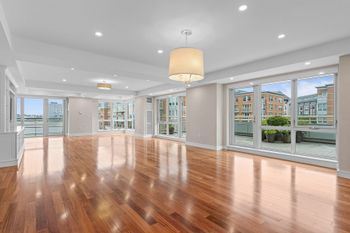
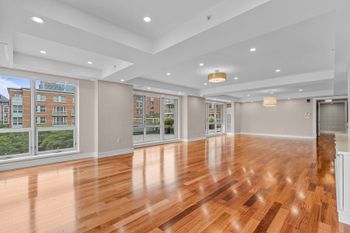
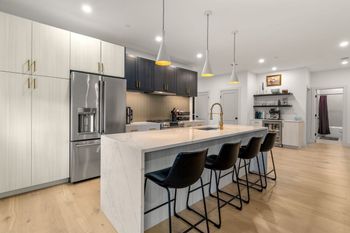
$4,200,000
Active
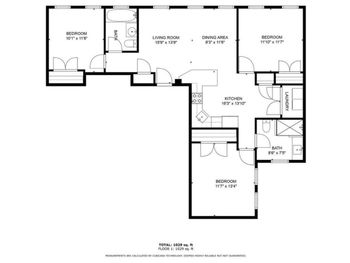
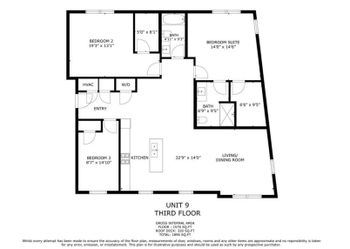
2
Beds
3
Baths
2212
Sqft
--
Acres
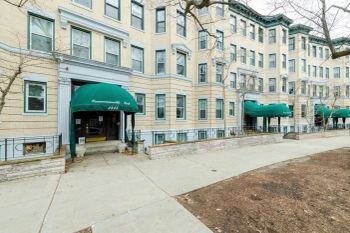
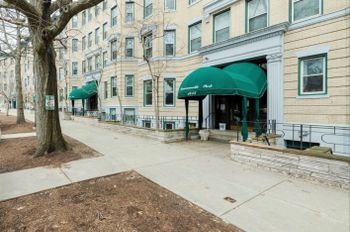
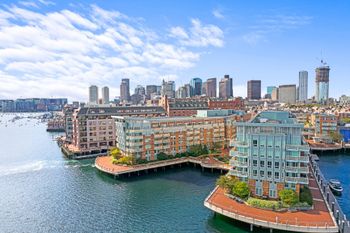
240 Devonshire St #U3802, Boston, MA 02110
MLS#: 73601354



Discover Boston's neighborhoods, explore your housing options, and find a home that fits your lifestyle, goals, and future.
Finding the right home is about more than choosing a property. It's about discovering a place where you can build memories, pursue new opportunities, and feel truly connected to your community.
For many people, Boston offers the perfect setting for that next chapter. With its historic charm, vibrant neighborhoods, world-class educational institutions, thriving job market, and rich cultural scene, Boston combines the character of a historic New England city with the conveniences of modern urban living.
Whether you're a first-time homebuyer, relocating for work, growing your family, or searching for a fresh start, finding the right home in Boston begins with understanding what matters most to you.
This guide will help you explore Boston's real estate market, discover neighborhoods, understand the homebuying process, and make confident decisions as you search for your next home.
Boston is one of the most distinctive cities in the United States. Its blend of history, innovation, education, and neighborhood character makes it attractive to people at different stages of life.
Here are some reasons why buyers continue to consider Boston.
Boston is home to major employers and growing industries, particularly in healthcare, biotechnology, education, finance, and technology.
With renowned institutions and business centers throughout the metropolitan area, the city offers opportunities for professionals looking to advance their careers.
Boston is internationally recognized for its educational institutions.
Universities such as Harvard University, MIT, Boston University, and Northeastern University contribute to the city's academic environment and attract students, researchers, and professionals from around the world.
Families also have access to a variety of public, private, and independent school options.
From historic landmarks and museums to restaurants, theaters, and sporting events, Boston offers plenty of ways to enjoy city life.
Residents can explore the Freedom Trail, spend an afternoon along the waterfront, visit the Museum of Fine Arts, or enjoy the city's lively restaurant scene.
Boston's public transportation network, including the MBTA subway, buses, commuter rail, and ferry services, connects many neighborhoods with employment centers and surrounding communities.
For buyers who prefer not to drive every day, proximity to public transportation can be an important consideration.
One of the most exciting parts of buying a home in Boston is discovering the personality of its different neighborhoods.
Each area offers its own combination of housing styles, amenities, transportation options, and lifestyle benefits.
Here are some neighborhoods worth exploring.
Back Bay is known for its beautiful brownstones, elegant architecture, luxury condominiums, and walkable streets.
<NEIGHBORHOOD>
Buyers who enjoy upscale shopping, fine dining, historic surroundings, and convenient access to downtown often find Back Bay appealing.
Ideal for: Professionals, luxury buyers, and people who enjoy an active urban lifestyle.
South Boston, often called Southie, combines a strong neighborhood identity with modern residential development.
Its waterfront attractions, restaurants, parks, and convenient access to downtown make it popular among young professionals and families.
Ideal for: Buyers seeking an energetic neighborhood with a mix of traditional homes and modern condominiums.
Jamaica Plain offers a more relaxed residential atmosphere while maintaining access to Boston's urban amenities.
The neighborhood is particularly appealing to people who enjoy parks, walking trails, local businesses, and community-oriented living.
Ideal for: Families, outdoor enthusiasts, and buyers looking for a neighborhood atmosphere.
Dorchester is one of Boston's largest neighborhoods and offers a diverse range of residential options.
From traditional single-family houses to multifamily properties and condominiums, buyers can explore different property types and lifestyles.
Ideal for: First-time buyers, growing families, and buyers interested in multifamily investments.
East Boston offers beautiful waterfront views, access to Logan International Airport, and convenient connections to downtown.
The neighborhood features a variety of housing options, local restaurants, parks, and growing residential developments.
Ideal for: Commuters, professionals, and buyers interested in waterfront living.
Helpful tip: Don't choose a neighborhood based solely on its reputation. Visit at different times of the day, explore nearby amenities, test your commute, and consider how the area will fit your lifestyle over the next several years.
Before starting your property search, take time to identify your priorities.
The right home should support your current needs while offering flexibility for your future.
Consider the following questions:
Creating a list of must-have features and nice-to-have amenities can make your search more focused.
Boston offers several residential property types.
Condominiums: Often attractive to buyers seeking convenience, shared amenities, and less exterior maintenance. Remember to review condominium fees, association rules, reserves, and financial documents.
Single-family homes: Offer greater privacy and potentially more outdoor space, but owners are generally responsible for all maintenance and repairs.
Townhouses: Provide a middle ground between condominium living and detached homes, often with multiple levels and private entrances.
Multifamily properties: Can offer opportunities for rental income and owner-occupancy, although buyers should carefully evaluate building condition, rental regulations, and operating expenses.
Boston is a relatively expensive housing market, making financial preparation an essential part of the homebuying process.
Your budget should account for more than the purchase price.
Before making an offer, consider:
Your monthly ownership expenses may include:
A property that fits your purchase budget may still create financial pressure if its ongoing expenses are too high.
Speaking with a mortgage lender before beginning your search can help you understand your borrowing capacity.
A preapproval can also demonstrate to sellers that you're a serious buyer.
Consider comparing loan programs, interest rates, down payment requirements, and closing costs before choosing a lender.
Buying a home can feel overwhelming, especially if you're unfamiliar with the Boston market.
Breaking the process into manageable steps can make your experience smoother.
Start by determining your preferred location, budget, property type, and desired timeline.
Be realistic about what you need and where you may be willing to compromise.
An experienced Boston real estate agent can help you identify suitable properties, understand neighborhood differences, evaluate comparable sales, and navigate negotiations.
Local knowledge is particularly valuable in a city where housing conditions can vary significantly between neighborhoods.
Explore listings online and schedule property tours.
Pay attention to more than appearance. Consider the home's layout, natural lighting, storage, building condition, neighborhood surroundings, and transportation access.
Once you find a property that meets your needs, your agent can help you evaluate comparable sales and develop an offer strategy.
Your offer may include:
An attractive offer should balance competitiveness with appropriate financial and legal protections.
A professional home inspection can identify potential issues with roofing, plumbing, electrical systems, heating, foundations, and other important components.
For condominiums, carefully review association documents, budgets, reserves, meeting minutes, insurance coverage, and any planned special assessments.
After your offer is accepted, your lender will proceed with underwriting and the necessary documentation.
Your attorney and other transaction professionals can help coordinate the closing process.
Once the required documents are signed and funds are transferred, you'll receive the keys to your new home.
Property tours are your opportunity to look beyond beautiful photographs and evaluate whether a home is right for you.
Here are some important things to consider.
Look for visible signs of water damage, cracks, outdated systems, roof wear, and maintenance concerns.
Older Boston homes may have unique maintenance requirements, so professional inspections are especially important.
Consider how sunlight enters the property and whether the layout supports your daily routines.
A beautiful home may not feel comfortable if its rooms are poorly arranged for your needs.
Storage space and parking can make a significant difference in everyday convenience, especially in urban neighborhoods.
Confirm whether parking is included, deeded, rented, or subject to additional restrictions.
Visit the property at different times of the day.
Pay attention to traffic, nearby businesses, construction activity, and general neighborhood noise.
Even if you plan to stay for many years, consider factors that may influence future resale value.
Location, property condition, transportation access, building maintenance, and neighborhood amenities can all affect buyer demand.
The right home should complement your lifestyle rather than simply look attractive on a listing website.
Think about what a typical weekday and weekend would look like in your new neighborhood.
For example:
Consider your priorities carefully.
A home that offers the right balance of comfort, convenience, and neighborhood character can make everyday living more enjoyable.
Buying your first home is a major milestone, and preparation can help make the experience less stressful.
Here are some practical tips:
Start saving early. Build a savings plan that accounts for your down payment, closing expenses, and emergency reserves.
Research assistance programs. Explore Massachusetts and Boston homebuyer assistance programs, including eligibility requirements and available financing options.
Understand the full cost of ownership. Don't underestimate property taxes, condominium fees, insurance, utilities, and maintenance.
Avoid stretching your budget. Choose a mortgage payment that leaves room for savings and unexpected expenses.
Ask questions. Understand every part of the transaction before signing important documents.
Think long term. Consider how your housing needs might change over the next five to ten years.
First-time buyers should also explore educational resources and homebuyer counseling services before committing to a purchase.
Even well-prepared buyers can make mistakes when navigating a competitive real estate market.
Some common pitfalls include:
A thoughtful approach can help you avoid unnecessary stress and make a more confident purchase.
Boston's real estate market is complex, with significant differences in pricing, property types, neighborhood characteristics, and local regulations.
Working with an experienced local real estate professional can help you navigate these differences.
A knowledgeable agent can assist with:
The right professional relationship can make your homebuying experience more organized, informed, and rewarding.
Buying a home is more than a financial decision. It's an investment in your lifestyle, your future, and the experiences you'll create along the way.
Boston offers a remarkable variety of residential opportunities, from historic brownstones in Back Bay to welcoming single-family homes in Dorchester and contemporary condominiums in East Boston.
The key is finding a property that reflects your priorities, fits your budget, and gives you room to grow.
Take time to explore neighborhoods, understand your financing options, and work with professionals who understand the local market.
Your next chapter deserves the right beginning.
Ready to find your next home in Boston?
Whether you're purchasing your first property, relocating to the city, or searching for a home that better fits your lifestyle, connect with a knowledgeable Boston real estate professional today.
Let's explore your options, discover the right neighborhood, and make your next move with confidence.